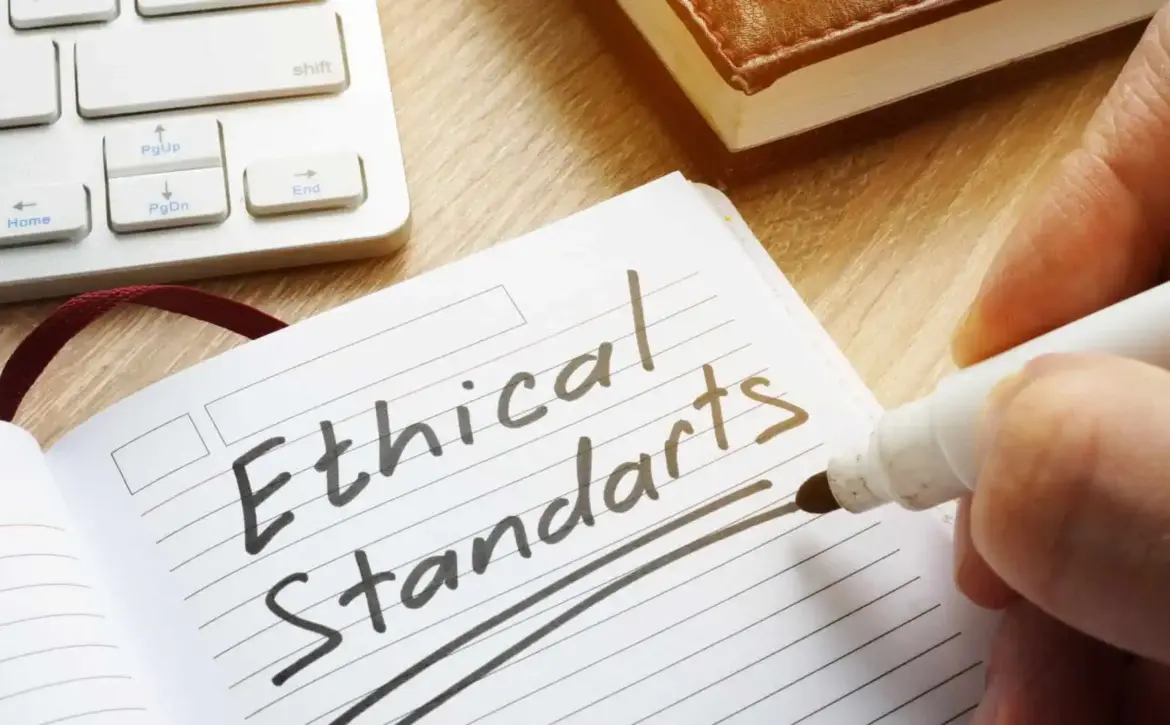
Ethical Lobbying Standards in South Africa

Professional ethical lobbying standards matter

The South African Lobbying Association (SALA) continues to monitor public discussion following allegations involving communications consultancies and practitioners (none of whom are members of SALA) and members of the Government of National Unity.

SALA notes ActionSA’s announcement that it is preparing a proposed Lobbying Transparency Bill, a Private Member’s Bill intended to regulate lobbying and prevent state capture.

The Association believes the discussion provides an opportunity to distinguish between legitimate ethical professional lobbying and conduct that is already prohibited under South African laws. 

Lobbying is a feature of South African participatory constitutional democracy. Businesses, organised labour, civil society organisations, professional bodies, academic institutions and community organisations all engage government to present evidence, advocate policy positions and represent legitimate interests, concerns and proposals. That engagement is both legitimate and necessary when it is conducted ethically and responsibly within existing prescripts.

It is equally important to distinguish ethical professional lobbying from corruption, influence peddling, procurement manipulation, the pursuit of improper advantage, the abuse of public office or capture of any kind. 

Ethical professional lobbying should not be synonymised with these forms of illegitimate and questionable conduct.

As discussion on the proposed legislation develops, SALA believes four issues deserve careful consideration: 

1.     Addressing misconduct without generalisation

The allegations currently receiving public attention concern specific organisations and individuals. Those matters should be investigated thoroughly and dealt with through the appropriate legal processes. They should not be regarded as representative of the profession.

2.     Professional standards

Professional ethical lobbying is founded on integrity, accountability and responsible conduct. SALA’s Professional Code of Conduct sets out the standards expected of members and provides a framework for ethical engagement with public representatives and public institutions. These standards remain essential and should be proactively adopted and implemented by those who engage in the practice of professional ethical lobbying.

3.     Building on existing safeguards

South Africa already has an extensive framework governing ethics in public administration, due diligence and disclosure of politically influential and exposed persons, corruption, procurement, executive accountability, parliamentary ethics and corporate governance. Any other measure should complement not duplicate these and enhance the existing value that South African participatory constitutional democracy derives ethical professional lobbying and its role in preserving the constitutional right of individuals and organisations to engage government on matters of policy, public interest and concern.

4.     Defining the conduct

Any additional proposal should begin by defining the conduct it seeks to regulate. A clear distinction must be drawn between legitimate, ethical and responsible engagement and unlawful conduct. It should also be clear what policy problem the measure seeks to address and whether existing legislation and regulation already provides an adequate safeguard thereto and its enforcement should be strengthened.

” The discussion should begin with a proper understanding of the role of professional, ethical and responsible lobbying plays in South Africa’s present-day participatory constitutional democracy. The quality of public decision-making depends on both strong institutions and responsible professional conduct and integrity. As the expert organisation for ethical professional lobbying, SALA looks forward to meaningful engagement and participation as this process develops,” said Abdul Waheed Patel, President of the South African Lobbying Association.

SALA will participate constructively in any commentary and consultation process relating to the proposals announced. We will engage ActionSA directly hereon and will continue to promote ethical practice, professional standards and responsible engagement between stakeholders and public institutions.


Read More
code-of-conduct

South Africa must distinguish ethical lobbying from undue influence

The South African Lobbying Association (SALA) continues to follow the intensified public debate around ‘lobbying’ arising from reports and allegations concerning a communications consultancy (not a member of SALA) and members of the Government of National Unity. That debate is both legitimate and necessary. It also demands an important distinction: Ethical professional lobbying is a rightfully accepted and established part of South Africa’s constitutional democratic and democratic governance architecture. Undue influence peddling is not.

Conflating the two serves neither accountability, public trust or confidence in public institutions and governance decision-making processes. It risks casting suspicion over lawful engagement with government while diverting attention from conduct that genuinely threatens the integrity of public decision-making.

Businesses, organised labour, civil society organisations, professional bodies, community organisations and citizens engage government every day on legislation, regulation and public policy. They do so through government outreach, parliamentary processes, public consultations, regulatory hearings and structured stakeholder engagement. Those processes exist because better public policy is informed by evidence, practical experience and competing perspectives.

“The real issue is not whether people engage government,” says Abdul Waheed Patel, President of the South African Lobbying Association (SALA). “The issue is whether that engagement is conducted lawfully, ethically, with professional integrity and with respect for the independence of public institutions. That is what distinguishes ethical professional lobbying from influence peddling.” 

Ethical professional lobbying neither guarantees outcomes nor substitutes the judgement of elected representatives and public officials. Decisions remain the responsibility of those entrusted to exercise public power. The role of an ethical lobbying professional is to ensure that decision-makers have access to accurate information, relevant expertise and informed perspectives before those decisions are made.

Established in 2019, SALA exists to advance ethical lobbying, government relations and public affairs practice in South Africa. Its continuously updated Professional Code of Conduct sets clear standards for professional behaviour, requiring members to act honestly, exercise independent judgement, manage conflicts of interest, identify whom they represent where appropriate and reject any suggestion that public decisions can be secured through personal relationships, privileged access or improper influence. The Code is equally clear that professional credibility is earned through the quality of evidence and advocacy – not proximity to power. 

Recent events should not become the basis upon which an entire profession is judged. Every profession encounters individuals whose conduct falls well below any acceptable standards. The appropriate response is accountability for misconduct, not the erosion of legitimate democratic participation.

“No regulatory framework can eliminate unethical behaviour on its own,” Patel says. ” Professional standards, institutional integrity and personal ethics matter. Any discussion about strengthening transparency should reinforce public confidence without undermining the constitutional right of individuals and organisations to participate in public policy, at all times distinguishing rightful ethical professional lobbying from undue influence.” 

South Africa already has an extensive framework governing the conduct of public officials and those who engage them, including constitutional obligations, anti-corruption legislation, ethics rules, procurement law and corporate governance standards. Those safeguards provide an important foundation for accountability. Where improvements are considered, they should be proportionate, appropriate, evidence-based and directed at strengthening accountable and ethical conduct rather than restricting legitimate engagement. 

Ethical professional lobbying is not about selling access and inherently safeguards the integrity of professional conduct against the perception and risk of improper and undue influence, abuse of power, coercion or conflict of interest. 

It is about improving the quality of public decision-making through responsible, accountable, evidence-based and transparent professional engagement.

SALA remains committed to working with all relevant and affect stakeholders and institutions, including Parliament, government, business, organised labour, civil society and fellow professional bodies to strengthen professional standards, reinforce public trust and support an ethical lobbying profession that contributes positively to South Africa’s constitutional democracy.

Read More